Month: July 2025

Escaping the Past: The Link Between Trauma and Addiction

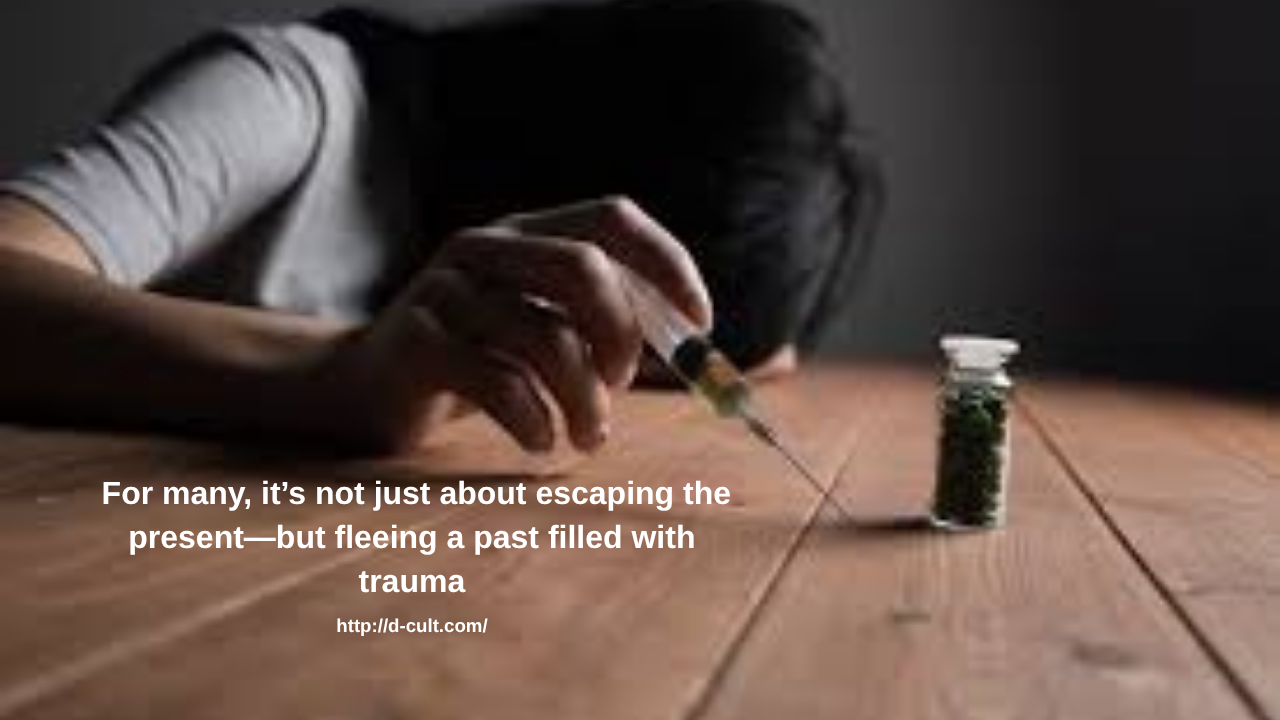
For many people battling addiction, the road to substance abuse began long before their first drink, pill, or hit. Beneath the surface of drug and alcohol use often lies something much deeper: unresolved trauma. Whether caused by childhood abuse, violence, neglect, loss, or other painful experiences, trauma can leave lasting psychological scars. In many cases, addiction becomes an attempt to escape the distress of the past.

Trauma’s Lingering Effects

Trauma is more than just a bad memory. It alters the way a person thinks, feels, and reacts to the world around them. People who have experienced trauma may struggle with anxiety, depression, emotional numbness, nightmares, flashbacks, or a constant sense of danger. Over time, this state of chronic emotional pain can feel unbearable.

When trauma is left untreated, the brain remains in a heightened state of stress. Everyday situations can trigger intense fear or sadness, even when there’s no real threat. This ongoing suffering often drives people to seek relief by any means possible—and drugs or alcohol may seem like the only escape.

Using Substances to Cope

Many trauma survivors don’t initially set out to become addicted. They may use substances to sleep better, calm their nerves, or momentarily forget painful memories. This is known as self-medication—an attempt to manage emotional or psychological symptoms without medical support.

In the short term, alcohol or drugs can dull the pain and provide a temporary sense of control or comfort. However, the relief is fleeting. As the effects wear off, the emotional pain often returns stronger than before, leading to increased use. Eventually, the person may become dependent—not just physically, but emotionally.

Addiction and Trauma: A Vicious Cycle

The link between trauma and addiction is more than coincidence. Studies show that people who have experienced trauma—especially in childhood—are significantly more likely to develop substance use disorders. Traumatic experiences can affect brain development, disrupt emotional regulation, and impair decision-making, all of which contribute to the risk of addiction.

Unfortunately, addiction often brings new traumas—such as accidents, abuse, or legal trouble—creating a painful cycle that’s hard to break. Without addressing the root cause of the addiction—the trauma itself—true recovery is difficult to achieve.

Breaking Free Through Healing

Healing from both trauma and addiction requires a compassionate, integrated approach. Trauma-informed treatment focuses on creating a safe, supportive environment where individuals can begin to rebuild trust and explore the pain they’ve been carrying.

Therapies such as EMDR (Eye Movement Desensitization and Reprocessing), Cognitive Behavioral Therapy (CBT), and group therapy are effective tools for helping trauma survivors process their experiences and develop healthier coping strategies. When combined with addiction treatment—such as detox, counseling, and support groups—these approaches offer real hope for recovery.

Conclusion

Addiction is often rooted in pain that hasn’t been fully understood or healed. For many, it’s not just about escaping the present—but fleeing a past filled with trauma. By acknowledging the deep connection between trauma and addiction, we open the door to more effective, compassionate treatment—and help people find freedom not just from substances, but from the pain that led them there.
Numbing the Pain: How Trauma Leads to Substance Abuse

Trauma leaves invisible wounds that can affect a person’s emotional health, relationships, and overall sense of safety in the world. For many individuals, the pain of trauma is so intense and persistent that it becomes unbearable to face alone. In an attempt to cope, some turn to drugs or alcohol, not to seek pleasure but to numb the emotional suffering. Unfortunately, this often leads to substance abuse and, eventually, addiction.

Understanding Trauma

Trauma occurs when a person experiences events that overwhelm their ability to cope. These events might include physical or sexual abuse, domestic violence, childhood neglect, serious accidents, or witnessing violence. For some, trauma stems from a single life-altering event; for others, it comes from years of ongoing emotional pain and hardship.

The effects of trauma can be long-lasting and severe. Many people experience post-traumatic stress disorder (PTSD), anxiety, depression, or emotional numbness. They may suffer from nightmares, flashbacks, mood swings, and difficulty trusting others. Without proper treatment or support, these symptoms can feel inescapable, making day-to-day life extremely difficult.

Turning to Substances for Relief

When someone is living with unresolved trauma, the brain and body remain in a heightened state of stress. Drugs and alcohol can seem like a quick and easy way to escape this discomfort. Substances may temporarily ease symptoms like anxiety, insomnia, and emotional pain. This is known as self-medication—using substances to dull the effects of trauma without addressing the root cause.

For example, a trauma survivor might drink alcohol to quiet racing thoughts or use opioids to suppress overwhelming sadness. Stimulants like cocaine or meth may help someone temporarily feel confident or energized if they are otherwise emotionally numb or depressed. In the short term, substances can seem like a solution, but over time, they create new problems.

The Vicious Cycle of Trauma and Addiction

Substance abuse does not heal trauma—it often makes it worse. Drugs and alcohol can interfere with brain function, deepen depression, increase anxiety, and create social, financial, or legal problems. Many trauma survivors who use substances experience guilt, shame, and isolation, which can further fuel their addiction.

This creates a dangerous cycle: trauma leads to substance use, which leads to more trauma and distress, driving the person deeper into addiction. Without intervention, the individual becomes trapped in this cycle, making it increasingly difficult to break free.

Healing Trauma, Breaking Addiction

Recovery from trauma-related substance abuse requires treating both the addiction and the underlying trauma. Traditional addiction treatment alone is often not enough. Trauma-informed care is essential—it provides a safe, supportive environment where individuals can process their past without fear of judgment.

Therapies like Cognitive Behavioral Therapy (CBT), Eye Movement Desensitization and Reprocessing (EMDR), and support groups can help trauma survivors develop healthier coping mechanisms and begin the healing process. By addressing both the emotional wounds and the substance abuse, individuals have a greater chance of achieving lasting recovery.

Conclusion

Many people don’t use drugs or alcohol to get high—they do it to survive their emotional pain. Understanding the link between trauma and substance abuse is key to providing compassionate care and meaningful recovery. Healing begins when we treat not just the addiction, but the trauma that often fuels it.

Breaking the Chains: Why People Struggle to Quit and How They Can Recover

Addiction is a powerful and deeply rooted condition that affects the brain, body, and spirit. For many individuals struggling with substance abuse, quitting is not simply a matter of willpower. Despite their desire to stop, they often find themselves trapped in a cycle of use, regret, and relapse. Understanding why people struggle to quit—and more importantly, how they can recover—is essential to supporting lasting healing.

Why Quitting Is So Hard

1. Physical Dependence

Substances like alcohol, opioids, and stimulants can create physical dependence, meaning the body becomes used to functioning with the drug in its system. When someone tries to quit, they experience withdrawal symptoms that can range from discomfort to life-threatening—such as nausea, sweating, shaking, seizures, or severe anxiety. These symptoms often drive people back to using just to feel “normal” again.

2. Brain Chemistry and Cravings

Addiction alters the brain’s reward system. Drugs flood the brain with dopamine, creating intense feelings of pleasure. Over time, the brain reduces its natural dopamine production, making it difficult to feel joy without the substance. This results in powerful cravings, where the brain urges the person to use, even when they consciously want to stop.

3. Emotional Triggers and Trauma

Many people use substances to cope with emotional pain, trauma, stress, or mental health issues like depression and anxiety. When these underlying issues are left untreated, quitting becomes even more difficult. The substance isn’t just a habit—it’s a way to self-soothe or numb deep emotional wounds.

4. Social and Environmental Influences

Recovery is even more challenging when surrounded by people, places, or situations that encourage substance use. Peer pressure, unsupportive relationships, or high-stress environments can all contribute to relapse. Without a strong support system, the pull to return to old habits can feel impossible to resist.

The Path to Recovery

1. Professional Treatment and Support

Quitting often requires more than self-discipline—it requires help. Detox programs, inpatient or outpatient rehab, and medication-assisted treatment (MAT) can safely guide individuals through withdrawal and begin the recovery process. Therapy, particularly cognitive-behavioral therapy (CBT) and trauma-informed care, helps address the emotional and psychological roots of addiction.

2. Building a Support System

Support is essential. Whether it’s from family, friends, counselors, or support groups like Alcoholics Anonymous (AA) or Narcotics Anonymous (NA), having people who understand the journey makes a big difference. These connections reduce isolation and remind individuals they are not alone.

3. Developing Healthy Coping Strategies

Recovery involves replacing old habits with new, healthier ones. Exercise, mindfulness, journaling, hobbies, and routine help individuals cope with stress and emotions without turning to substances. Over time, these new strategies strengthen emotional resilience and improve quality of life.

4. Staying Committed to the Journey

Recovery isn’t a straight line—it’s a process filled with ups and downs. Relapse doesn’t mean failure; it’s often part of the journey. What matters is the commitment to keep going, to learn from setbacks, and to seek help when needed.

Conclusion

Quitting an addiction is one of the hardest things a person can do—but it’s also one of the most courageous. By understanding the real challenges behind addiction and embracing a holistic approach to recovery, individuals can break free from the chains and reclaim their lives with strength, hope, and healing.