Month: November 2025

From Curiosity to Dependency: How Substance Use Turns Into Addiction

The Journey from Experimentation to Addiction

Substance use often begins innocently. A teenager may try alcohol at a party, or an adult may experiment with prescription medications to manage stress. For some, these experiences remain occasional. For others, curiosity evolves into a dangerous dependency. Understanding how casual use can transition into addiction is essential for prevention and early intervention. At D-Cult, we recognize that every person’s journey with substances is unique, and our compassionate, holistic approach focuses on both the physical and emotional roots of addiction.


The Stages of Substance Use

Substance use generally follows a progression that starts with experimentation and can move toward full-blown addiction if left unaddressed. Recognizing the stages helps individuals and families intervene early.

Experimentation and Curiosity

Many people begin using substances out of curiosity or social influence. The initial experience often feels harmless or even exciting. Experimentation may be driven by peer pressure, a desire to fit in, or the pursuit of new sensations. While some stop after one or a few tries, others continue, unaware of the potential risks.

Regular Use and Social Integration

As substance use becomes more frequent, it may integrate into daily life or social routines. A person may rely on alcohol at social gatherings or use a drug to relax after stressful days. At this stage, the brain starts forming associations between the substance and feelings of pleasure or relief, reinforcing the habit.

H3: Risky Use and Behavioral Changes

Eventually, use can become risky. Individuals may neglect responsibilities, experience mood swings, or engage in dangerous behaviors. Family members, friends, or coworkers may notice changes, but the individual may feel justified in their behavior, believing they can control their use.

Dependency and Addiction

Over time, the body and brain adapt to the presence of the substance, creating physical tolerance and psychological dependence. Cravings intensify, withdrawal symptoms emerge if use stops, and addiction takes hold. At this stage, recovery often requires structured support and professional intervention.


Why Substances Become Addictive

Understanding the science behind addiction helps explain why casual use can escalate.

Brain Chemistry and Reward Pathways

Substances like alcohol, opioids, and stimulants alter brain chemistry by increasing dopamine, the “feel-good” neurotransmitter. The brain learns to seek this reward repeatedly, making it harder to stop without support.

Coping with Emotional Pain

Many individuals use substances to manage stress, trauma, or mental health issues. While this may provide temporary relief, it prevents the development of healthy coping strategies, creating a cycle where the substance becomes the primary solution.

Environmental and Social Factors

Living or working in environments where substance use is normalized can accelerate dependency. Stressful life circumstances, exposure to trauma, or lack of support networks all contribute to the risk of addiction.


Healing and Recovery at D-Cult

Breaking the cycle from curiosity to dependency requires comprehensive care that addresses the whole person.

Individualized Treatment Plans

At D-Cult, each client receives a personalized program designed to meet their unique needs. Inpatient and outpatient care options ensure flexibility while providing structure and accountability.

Holistic and Faith-Based Approaches

Recovery involves more than stopping substance use. Holistic therapies, mindfulness, spiritual guidance, and wellness practices help clients heal emotionally, mentally, and spiritually.

Building Lasting Coping Skills

Therapy focuses on understanding triggers, managing cravings, and developing healthier coping strategies. Clients gain the tools to handle stress, relationships, and life challenges without relying on substances.


From Awareness to Action

Addiction rarely begins overnight. Curiosity and experimentation can quietly evolve into dependency without awareness and support. Understanding this progression is the first step toward prevention and recovery.

At D-Cult, we provide compassionate, individualized care that addresses both the roots of addiction and the path to lasting healing. If you or someone you love is struggling with substance use, reach out today. Knowledge, support, and hope are the first steps toward reclaiming a healthy, fulfilling life.
Breaking the Silence: Why Understanding Substance Abuse Is the First Step to Recovery

The Power of Speaking Honestly About Addiction

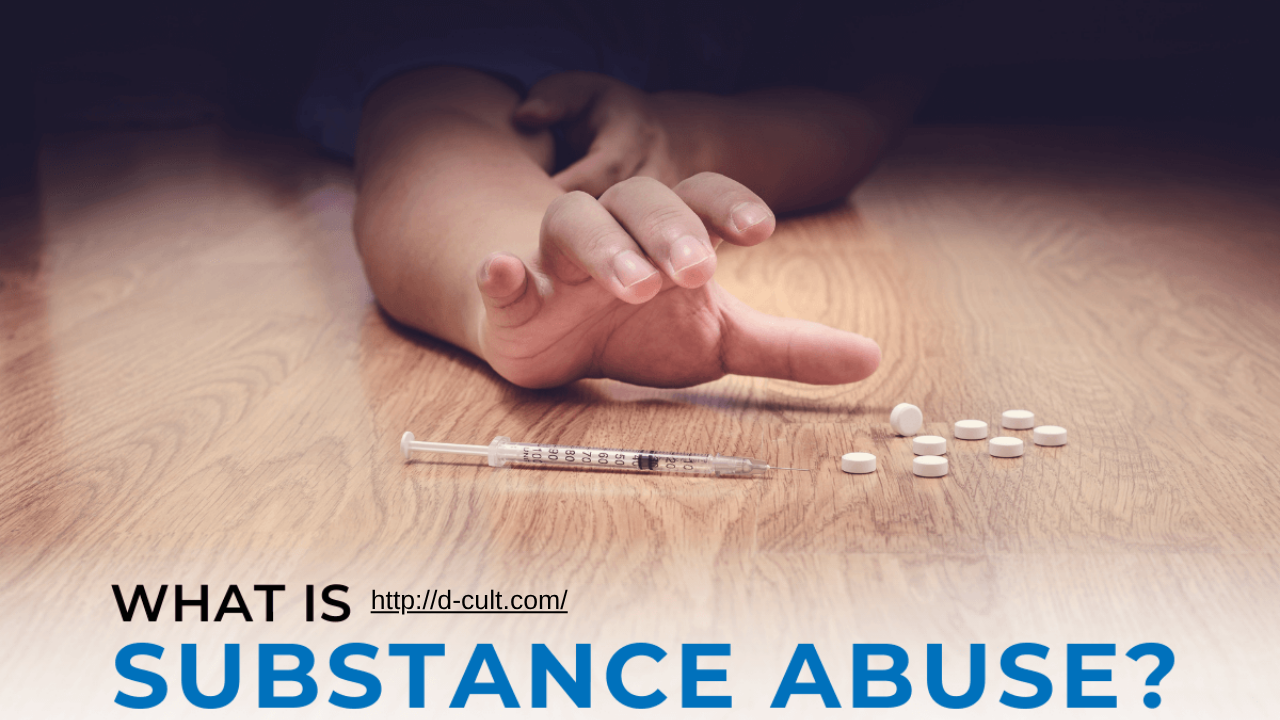
Substance abuse affects millions of individuals and families, yet it often remains hidden behind silence, fear, and misunderstanding. Many people struggle alone because they believe addiction is a personal failure or something they must keep to themselves. In reality, substance abuse is a complex condition shaped by emotional pain, mental health challenges, and life experiences. The first step toward healing is gaining clarity about what addiction truly is and why compassionate support is essential for recovery.

At D-Cult, we help individuals break that silence with dignity. Through personalized, faith-based, and holistic addiction treatment, we create a space where clients can understand their struggles without judgment and begin building a healthier future.


Why Understanding Substance Abuse Matters

Knowledge empowers change. When individuals understand the full picture of addiction, they are better equipped to seek treatment and begin healing.

Addiction Is a Health Condition, Not a Moral Failure

Substance abuse is often mistaken for a lack of willpower. In truth, addiction affects the brain, emotions, and decision-making. It develops through a combination of biological, psychological, and environmental factors. Recognizing addiction as a health issue shifts the conversation from blame to recovery, which is essential for those who fear reaching out for help.

Silence Prevents People from Seeking Help

Many individuals struggling with substance abuse keep their pain private. They may feel ashamed or worry about how others will react. This silence can delay treatment and deepen the cycle of addiction. By encouraging open, honest conversations, we help reduce stigma and support people in taking their first brave step toward recovery.


Understanding the Roots of Substance Abuse

Behind every addiction is a story. Substance use does not happen in isolation. It often emerges from deeper emotional or psychological challenges.

Emotional Pain and Trauma

Unresolved trauma is one of the strongest predictors of substance misuse. Survivors often use drugs or alcohol to cope with fear, anxiety, or painful memories. Without healing the trauma, the cycle continues. This is why trauma-informed care is central to successful recovery.

Mental Health Conditions

Depression, anxiety, PTSD, and other mental health disorders frequently accompany addiction. When left untreated, these conditions make substance use more likely. D-Cult provides integrated treatment that supports both mental health and addiction recovery, helping clients regain emotional balance.

Stress and Life Pressures

High stress levels, relationship struggles, financial pressure, and work demands can all contribute to substance use. Understanding these triggers allows individuals to identify healthier ways to cope and regain control.


How D-Cult Helps Individuals Move Toward Recovery

At D-Cult, recovery begins with understanding the person behind the addiction. Our programs are built on compassion, professionalism, and the belief that every individual deserves a fresh start.

Personalized Treatment Plans

No two journeys are the same. We offer individualized treatment plans that consider each person’s history, mental health needs, and personal goals. Whether through inpatient or outpatient care, we tailor the recovery process to meet clients where they are.

Holistic and Faith-Based Healing

Healing is not only physical. It involves emotional, mental, and spiritual renewal. Our holistic approach combines evidence-based therapies with faith-centered support to help clients rebuild purpose, confidence, and connection.

A Supportive Environment for Honest Conversations

Breaking the silence requires safety. Our team provides a warm, respectful space where clients can speak openly about their experiences. This trust allows for deeper healing and long-term change.


Taking the First Step Toward a Healthier Future

Understanding addiction is the beginning of transformation. When individuals learn why they struggle and what support is available, new possibilities open. Recovery is not about perfection. It is about progress, courage, and choosing to move forward even when the path feels difficult.

If you or someone you love is ready to break the silence, D-Cult is here to help. Our compassionate team is prepared to guide you with respect, expertise, and unwavering support.

Reach out today and take the first step toward a life of healing, clarity, and freedom. You do not have to walk this journey alone.

Beyond the Habit: The Emotional and Psychological Roots of Substance Abuse

Addiction Is More Than a Physical Dependence

Substance abuse is often misunderstood as simply a bad habit or a sign of weakness, but the truth runs much deeper. Behind every struggle with addiction lies an emotional or psychological wound that has yet to heal. For many, drugs or alcohol become a way to escape feelings of pain, guilt, fear, or emptiness. Over time, what begins as an attempt to cope transforms into a dependency that affects every area of life.

At D-Cult, we believe that understanding and healing these deeper roots is essential for lasting recovery. Through compassionate, faith-based, and individualized care, we help individuals uncover the emotional pain driving their addiction and begin a journey toward true healing.


The Emotional Triggers Behind Substance Use

Addiction rarely starts with a conscious choice to lose control. It often begins as an emotional response to inner struggles that feel too heavy to face.

Trauma and Unresolved Pain

Many individuals who develop substance use disorders have lived through some form of trauma. Whether it is childhood neglect, abuse, loss, or other distressing experiences, trauma can create deep emotional scars. Without proper healing, these experiences can lead to overwhelming emotions like shame, anger, or anxiety, which many try to silence through substance use.

Emotional Numbness and Avoidance

When life feels painful or chaotic, drugs and alcohol can temporarily dull emotional pain. This numbing effect provides short-term relief but long-term damage. Over time, individuals lose touch with their true emotions, making it even harder to address the real issues behind their substance use.


The Psychological Factors That Fuel Addiction

Emotions are only part of the picture. Psychological factors also play a significant role in how and why addiction develops.

Mental Health and Dual Diagnosis

Substance abuse often occurs alongside mental health conditions such as depression, anxiety, or post-traumatic stress disorder (PTSD). When someone is battling both, this is known as a dual diagnosis. Many turn to substances to manage their mental health symptoms, but this only deepens the problem. Addressing both addiction and mental health simultaneously is key to lasting recovery.

Negative Thought Patterns and Self-Image

Low self-esteem, guilt, and feelings of unworthiness are common among those struggling with addiction. These thought patterns can make it difficult to believe that recovery is possible. Healing requires breaking these negative beliefs and replacing them with self-compassion, forgiveness, and a renewed sense of purpose.


Healing the Whole Person: The D-Cult Approach

At D-Cult, we understand that true recovery means more than detoxing from substances. It involves healing the mind, body, and spirit together.

Holistic and Faith-Based Treatment

Our programs integrate evidence-based therapies with holistic and faith-centered care. This approach allows individuals to find balance and meaning beyond their addiction. By reconnecting with their faith and inner strength, clients begin to rebuild confidence and hope for the future.

Personalized Recovery Plans

Every person’s journey is different, and so is their treatment. Whether through inpatient or outpatient care, D-Cult designs individualized recovery plans that address each client’s emotional, psychological, and spiritual needs. This personalized care ensures that every person receives the support they need to truly heal.

Building Resilience and Emotional Awareness

Recovery is not about suppressing emotions but learning to understand and manage them. Through therapy, mindfulness, and emotional regulation techniques, clients develop the tools to face life’s challenges without turning to substances.


Moving Forward with Understanding and Hope

Overcoming addiction begins with recognizing that it is not just a physical issue but an emotional and psychological one. Healing requires compassion, understanding, and the right kind of support. By addressing the deeper wounds that fuel substance use, lasting change becomes possible.

At D-Cult, we walk beside each person with empathy and care, helping them rediscover peace, purpose, and self-worth. You are not defined by your addiction—you are capable of recovery and renewal.

If you or someone you love is struggling with substance abuse, reach out to D-Cult today. Together, we can begin the journey toward true healing and lasting freedom.