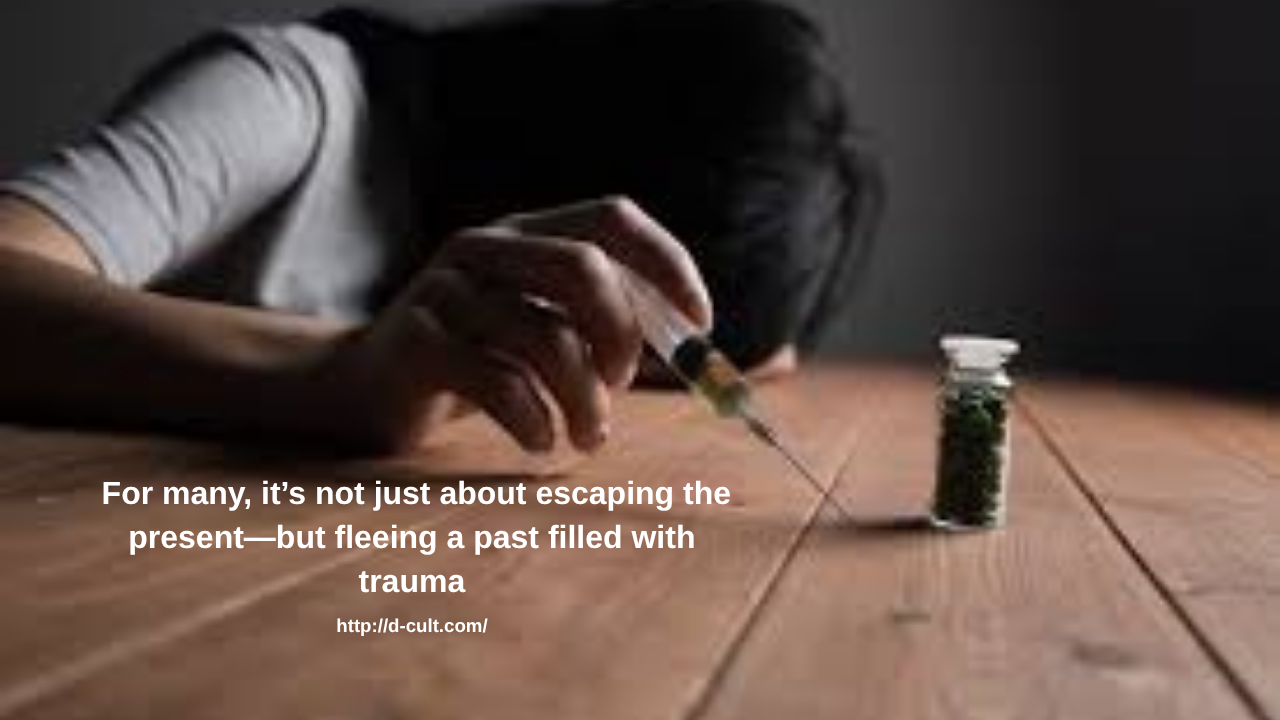
For many people battling addiction, the road to substance abuse began long before their first drink, pill, or hit. Beneath the surface of drug and alcohol use often lies something much deeper: unresolved trauma. Whether caused by childhood abuse, violence, neglect, loss, or other painful experiences, trauma can leave lasting psychological scars. In many cases, addiction becomes an attempt to escape the distress of the past.
Trauma’s Lingering Effects
Trauma is more than just a bad memory. It alters the way a person thinks, feels, and reacts to the world around them. People who have experienced trauma may struggle with anxiety, depression, emotional numbness, nightmares, flashbacks, or a constant sense of danger. Over time, this state of chronic emotional pain can feel unbearable.
When trauma is left untreated, the brain remains in a heightened state of stress. Everyday situations can trigger intense fear or sadness, even when there’s no real threat. This ongoing suffering often drives people to seek relief by any means possible—and drugs or alcohol may seem like the only escape.
Using Substances to Cope
Many trauma survivors don’t initially set out to become addicted. They may use substances to sleep better, calm their nerves, or momentarily forget painful memories. This is known as self-medication—an attempt to manage emotional or psychological symptoms without medical support.
In the short term, alcohol or drugs can dull the pain and provide a temporary sense of control or comfort. However, the relief is fleeting. As the effects wear off, the emotional pain often returns stronger than before, leading to increased use. Eventually, the person may become dependent—not just physically, but emotionally.
Addiction and Trauma: A Vicious Cycle
The link between trauma and addiction is more than coincidence. Studies show that people who have experienced trauma—especially in childhood—are significantly more likely to develop substance use disorders. Traumatic experiences can affect brain development, disrupt emotional regulation, and impair decision-making, all of which contribute to the risk of addiction.
Unfortunately, addiction often brings new traumas—such as accidents, abuse, or legal trouble—creating a painful cycle that’s hard to break. Without addressing the root cause of the addiction—the trauma itself—true recovery is difficult to achieve.
Breaking Free Through Healing
Healing from both trauma and addiction requires a compassionate, integrated approach. Trauma-informed treatment focuses on creating a safe, supportive environment where individuals can begin to rebuild trust and explore the pain they’ve been carrying.
Therapies such as EMDR (Eye Movement Desensitization and Reprocessing), Cognitive Behavioral Therapy (CBT), and group therapy are effective tools for helping trauma survivors process their experiences and develop healthier coping strategies. When combined with addiction treatment—such as detox, counseling, and support groups—these approaches offer real hope for recovery.
Conclusion
Addiction is often rooted in pain that hasn’t been fully understood or healed. For many, it’s not just about escaping the present—but fleeing a past filled with trauma. By acknowledging the deep connection between trauma and addiction, we open the door to more effective, compassionate treatment—and help people find freedom not just from substances, but from the pain that led them there.