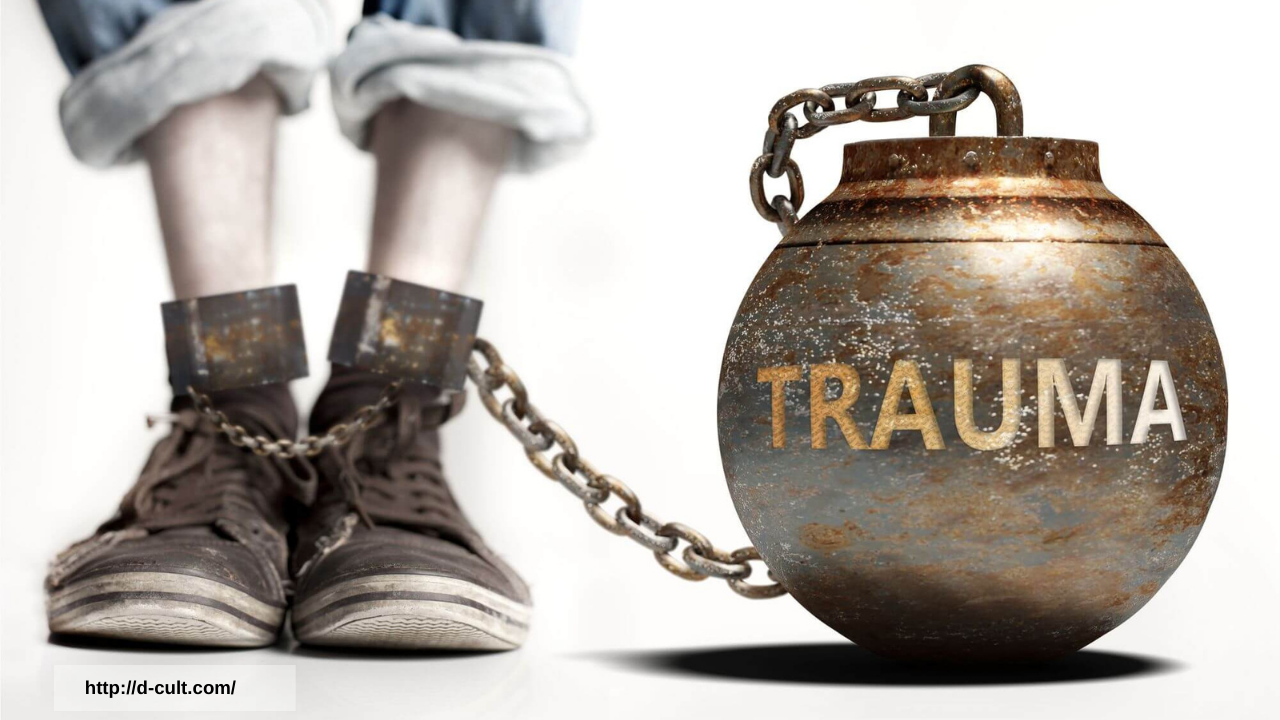
Trauma changes the way people see the world, themselves, and their future. For many, the pain is not just emotional but deeply physical, affecting brain chemistry, stress responses, and decision-making. When that pain feels overwhelming, some turn to drugs or alcohol as a way to numb the hurt. At first, it may seem like relief, but over time, that temporary escape can become a life-altering dependency.
Understanding Trauma and Its Impact
Trauma is not limited to extreme events. It can stem from childhood neglect, abuse, violence, loss, or ongoing emotional harm. The effects can last for years, influencing how a person thinks, feels, and reacts. Survivors of trauma may experience anxiety, depression, flashbacks, or emotional numbness. Without healthy ways to cope, daily life can feel like a constant battle.
The Connection Between Trauma and Substance Use
When someone feels trapped in painful memories or overwhelming emotions, substances may seem like an answer. Drugs and alcohol can temporarily dull emotional distress, reduce anxiety, or help with sleep. This coping strategy is known as self-medication. Unfortunately, while it can bring short-term relief, it often worsens mental health symptoms in the long run.
Research shows a clear link between trauma and substance abuse. People who have experienced significant trauma are far more likely to develop addiction. This is partly due to the brain’s stress response system, which can become overactive after trauma, making substances feel more rewarding and necessary to function.
How Dependency Develops
Dependency rarely happens overnight. It begins with occasional use for relief. Over time, the brain becomes accustomed to the substance and craves it to feel “normal.” Emotional pain and withdrawal symptoms reinforce the cycle. What started as an escape from the past becomes a daily necessity that is difficult to break without help.
Breaking the Trauma–Addiction Cycle
Healing requires more than just stopping drug or alcohol use. Effective recovery addresses both the addiction and the underlying trauma. At D-Cult, we understand that every person’s story is unique. Our holistic, faith-based programs combine evidence-based therapies with spiritual and emotional support. This approach helps clients process their past, rebuild trust, and develop healthy coping tools.
Integrated Treatment Approaches
- Trauma-informed therapy to create a safe, supportive environment for healing
- Cognitive Behavioral Therapy (CBT) to reshape thought patterns
- Faith-based counseling for spiritual renewal and hope
- Holistic therapies such as mindfulness, art therapy, and physical wellness programs
- Inpatient and outpatient care tailored to individual needs
A Path Toward Lasting Recovery
Addiction rooted in trauma is not a sign of weakness. It is a human response to deep pain. With the right guidance, support, and treatment, it is possible to heal both the trauma and the dependency. Recovery is not just about avoiding substances but about reclaiming a life filled with purpose, connection, and hope.
If you or someone you love is struggling with addiction linked to trauma, you do not have to face it alone. Contact D-Cult today to begin your journey toward healing and lasting freedom.