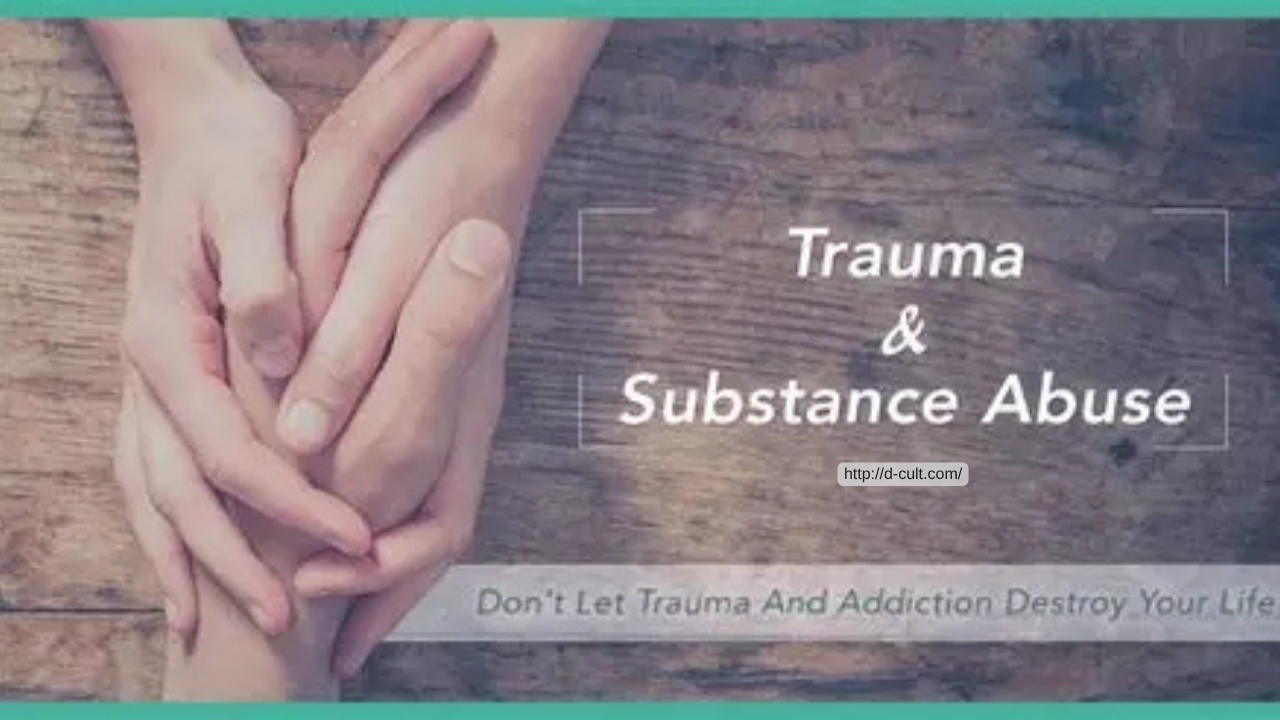
Behind many stories of addiction lies an unspoken truth: unresolved trauma. Painful experiences from the past can quietly shape how people think, feel, and respond to stress. When emotional wounds go untreated, they often lead individuals to seek comfort through substances. Drugs and alcohol may dull the pain temporarily, but they never truly heal it. To achieve lasting recovery, treatment must address not only addiction itself but also the trauma that drives it.
The Link Between Trauma and Addiction
Trauma can take many forms. It may come from childhood neglect, physical or emotional abuse, witnessing violence, or surviving a serious accident or loss. These experiences disrupt a person’s sense of safety and trust in the world. The emotional pain that follows often becomes overwhelming, and without proper support, people may turn to substances as a way to cope.
Alcohol or drugs can temporarily quiet intrusive thoughts, reduce anxiety, or provide a false sense of relief. However, this short-lived comfort quickly turns into dependence. As the body and mind become accustomed to the substance, individuals find themselves needing more to achieve the same effect. Over time, addiction develops, trapping them in a painful cycle that deepens the very wounds they were trying to escape.
Why Traditional Treatment Alone Is Not Enough
Addiction treatment that focuses only on abstinence often misses a crucial piece of the puzzle. Without addressing the underlying trauma, individuals may struggle to stay sober, as the emotional pain that triggered their addiction remains unresolved. Trauma can resurface during recovery, leading to anxiety, depression, or relapse if not properly managed.
That is why trauma-informed care has become a cornerstone of effective addiction treatment. By recognizing and treating trauma as a central factor, recovery becomes more sustainable and meaningful.
A Holistic Approach to Healing at D-Cult
At D-Cult, healing goes beyond treating symptoms. The focus is on helping individuals rebuild emotionally, mentally, physically, and spiritually. The center’s holistic, faith-based, and individualized approach ensures that each client receives the care and understanding they deserve.
Key Components of Trauma-Informed Addiction Treatment
- Personalized care that tailors treatment plans to each client’s unique experiences and goals.
- Inpatient and outpatient programs that provide structured, supportive environments for healing.
- Trauma-focused therapies such as Cognitive Behavioral Therapy (CBT), EMDR, and mindfulness techniques to process and release past pain safely.
- Faith-based counseling that offers spiritual guidance, hope, and renewal for those seeking strength in faith.
- Holistic practices like yoga, meditation, art therapy, and wellness coaching that support emotional balance and self-awareness.
This comprehensive model helps clients not only overcome addiction but also rebuild their sense of self-worth and peace.
The Power of Addressing the Root Cause
Healing trauma is not about forgetting the past but learning to live with it in a healthy, empowered way. When people begin to process their pain, they often find that their need for substances fades naturally. By treating trauma as the root cause, recovery becomes a process of restoration, not punishment.
Addressing trauma allows clients to reconnect with themselves, rebuild trust in others, and rediscover purpose. With the right support, what once felt like a life defined by pain can transform into a journey of healing and growth.
Conclusion
Substance abuse is often a symptom of deeper emotional wounds. True recovery requires compassion, understanding, and a willingness to address trauma head-on. At D-Cult, clients are guided through a healing process that honors their stories and empowers them to create lasting change. Through holistic, faith-based, and trauma-informed care, individuals can find freedom not just from addiction, but from the pain that caused it.
If you or someone you love is struggling with addiction and trauma, know that healing is possible. Reach out to D-Cult today to begin your journey toward peace, wholeness, and lasting recovery.