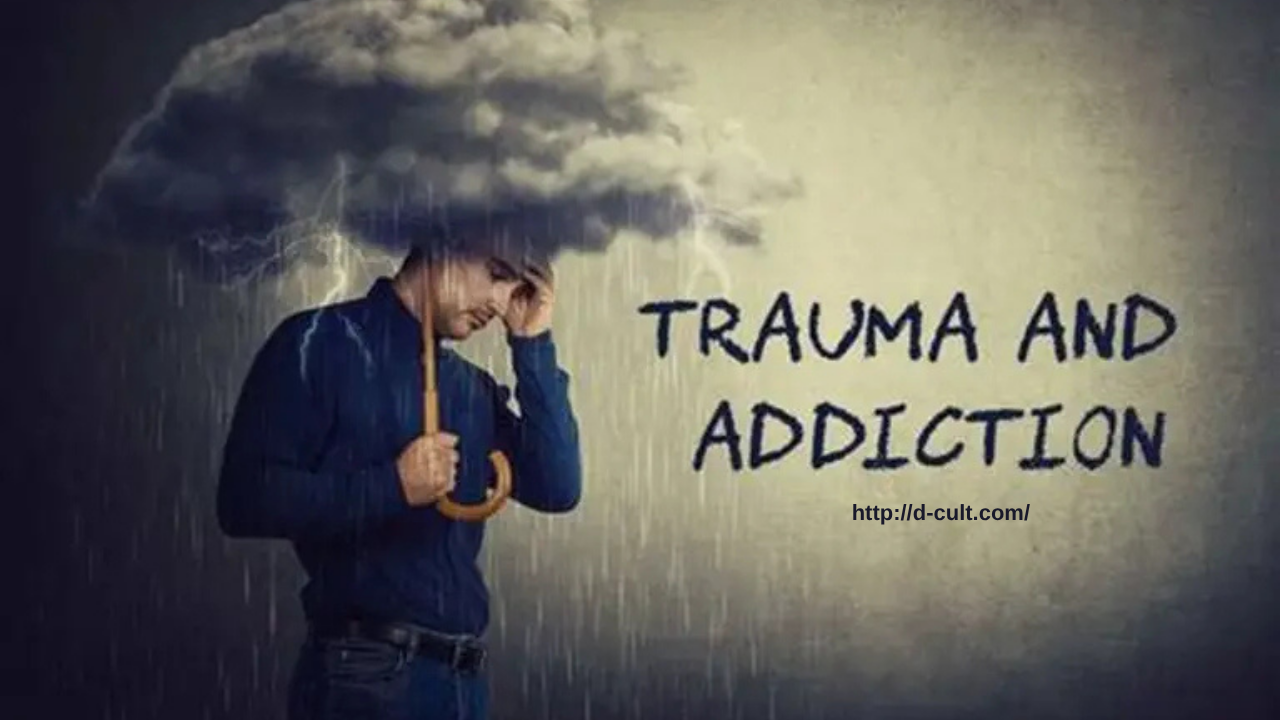
Trauma leaves invisible wounds that can affect a person’s emotional health, relationships, and overall sense of safety in the world. For many individuals, the pain of trauma is so intense and persistent that it becomes unbearable to face alone. In an attempt to cope, some turn to drugs or alcohol, not to seek pleasure but to numb the emotional suffering. Unfortunately, this often leads to substance abuse and, eventually, addiction.
Understanding Trauma
Trauma occurs when a person experiences events that overwhelm their ability to cope. These events might include physical or sexual abuse, domestic violence, childhood neglect, serious accidents, or witnessing violence. For some, trauma stems from a single life-altering event; for others, it comes from years of ongoing emotional pain and hardship.
The effects of trauma can be long-lasting and severe. Many people experience post-traumatic stress disorder (PTSD), anxiety, depression, or emotional numbness. They may suffer from nightmares, flashbacks, mood swings, and difficulty trusting others. Without proper treatment or support, these symptoms can feel inescapable, making day-to-day life extremely difficult.
Turning to Substances for Relief
When someone is living with unresolved trauma, the brain and body remain in a heightened state of stress. Drugs and alcohol can seem like a quick and easy way to escape this discomfort. Substances may temporarily ease symptoms like anxiety, insomnia, and emotional pain. This is known as self-medication—using substances to dull the effects of trauma without addressing the root cause.
For example, a trauma survivor might drink alcohol to quiet racing thoughts or use opioids to suppress overwhelming sadness. Stimulants like cocaine or meth may help someone temporarily feel confident or energized if they are otherwise emotionally numb or depressed. In the short term, substances can seem like a solution, but over time, they create new problems.
The Vicious Cycle of Trauma and Addiction
Substance abuse does not heal trauma—it often makes it worse. Drugs and alcohol can interfere with brain function, deepen depression, increase anxiety, and create social, financial, or legal problems. Many trauma survivors who use substances experience guilt, shame, and isolation, which can further fuel their addiction.
This creates a dangerous cycle: trauma leads to substance use, which leads to more trauma and distress, driving the person deeper into addiction. Without intervention, the individual becomes trapped in this cycle, making it increasingly difficult to break free.
Healing Trauma, Breaking Addiction
Recovery from trauma-related substance abuse requires treating both the addiction and the underlying trauma. Traditional addiction treatment alone is often not enough. Trauma-informed care is essential—it provides a safe, supportive environment where individuals can process their past without fear of judgment.
Therapies like Cognitive Behavioral Therapy (CBT), Eye Movement Desensitization and Reprocessing (EMDR), and support groups can help trauma survivors develop healthier coping mechanisms and begin the healing process. By addressing both the emotional wounds and the substance abuse, individuals have a greater chance of achieving lasting recovery.
Conclusion
Many people don’t use drugs or alcohol to get high—they do it to survive their emotional pain. Understanding the link between trauma and substance abuse is key to providing compassionate care and meaningful recovery. Healing begins when we treat not just the addiction, but the trauma that often fuels it.