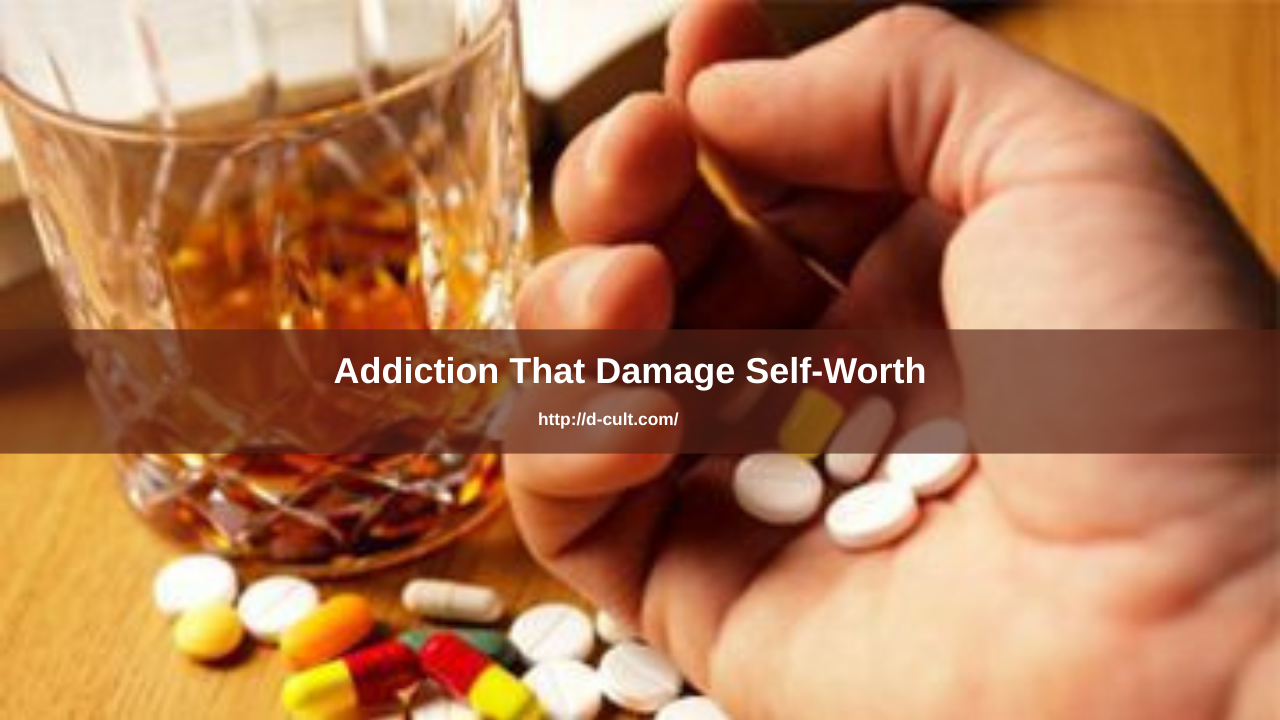
For many people living with unresolved trauma, the emotional weight can feel unbearable. Painful memories, flashbacks, and ongoing anxiety often drive individuals to seek relief in any way possible. Drugs and alcohol can seem like an easy escape, offering temporary calm or numbness. Yet what starts as self-medication often leads to self-destruction, creating a cycle of addiction that damages health, relationships, and self-worth. Understanding how trauma fuels substance abuse is the first step toward breaking free and finding lasting healing.
Understanding Trauma and Its Lasting Impact
Trauma comes in many forms. It may arise from childhood abuse, neglect, domestic violence, accidents, loss of a loved one, or other overwhelming experiences. While the event may have passed, the effects can linger for years. Trauma can leave people feeling unsafe, disconnected, or trapped in a constant state of fear. These emotional wounds often interfere with daily functioning and increase vulnerability to mental health struggles such as depression, anxiety, or post-traumatic stress disorder.
When trauma is left unaddressed, it can distort how the brain processes stress and emotions. Everyday challenges may feel overwhelming, leading individuals to search for quick ways to cope. This is where substance use often enters the picture.
Why Trauma Survivors Turn to Substances
Numbing the Pain
Alcohol, opioids, or other substances may dull emotional distress or silence intrusive thoughts. For someone haunted by trauma, this numbing effect can feel like a form of relief.
Escaping Reality
Drugs and alcohol can create a temporary sense of detachment from painful memories. Survivors may use substances to disconnect from emotions they cannot yet face.
Regaining Control
Some substances provide a false sense of calm, confidence, or control. While appealing in the moment, this effect often masks deeper issues and makes recovery more difficult.
Unfortunately, what begins as a coping mechanism quickly becomes a dangerous cycle. The brain starts to rely on substances to manage emotions, reinforcing dependency and increasing the risk of addiction.
Breaking the Cycle: Trauma-Informed Recovery
Addressing addiction without treating the trauma behind it is rarely effective. True healing requires a trauma-informed approach that acknowledges the root causes of substance abuse and offers healthier ways to cope. At D-Cult, recovery is built on compassion, personalization, and holistic healing that nurtures both body and mind.
Our Approach to Healing
- Individualized inpatient and outpatient programs tailored to each person’s unique needs
- Mental health treatment that addresses trauma, anxiety, and depression alongside addiction
- Faith-based support for those seeking spiritual strength and guidance
- Holistic care such as mindfulness, art therapy, and wellness practices that promote balance and resilience
By treating both trauma and substance use, individuals gain the tools to process their pain, rebuild confidence, and create a healthier path forward.
Hope Beyond Self-Destruction
While trauma can increase the risk of substance abuse, it does not define the rest of a person’s life. Recovery is possible with the right support and a comprehensive approach that honors both the past and the future. Choosing healing over self-destruction means learning new ways to cope, finding strength in community, and rediscovering hope.
Conclusion
Self-medicating with drugs or alcohol may feel like a solution in the moment, but it often deepens the wounds of trauma and fuels addiction. The journey to recovery begins with recognizing this cycle and seeking help that addresses both trauma and substance use together. At D-Cult, we believe every individual deserves compassionate care and the chance to rebuild their life with strength and dignity. If you or someone you love is struggling, reach out today. Healing begins with one courageous step.