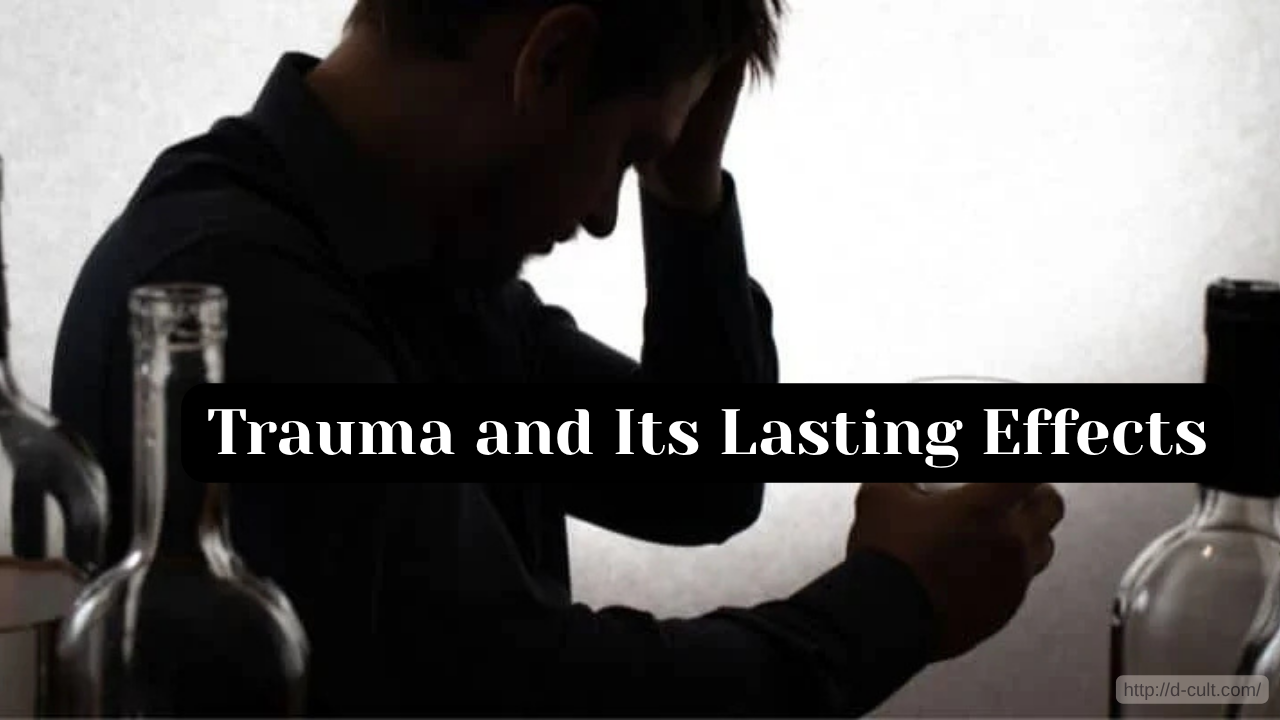
Behind every addiction lies a story. For many people, that story begins with pain — the kind that lingers long after the event is over. Trauma changes how a person experiences the world, affecting their thoughts, emotions, and ability to cope with stress. When emotional pain becomes overwhelming, some individuals turn to drugs or alcohol as a way to escape. This coping mechanism can quickly spiral into addiction, creating what many experts call the “trauma trap.”
Understanding Trauma and Its Lasting Effects
Trauma is not limited to one experience. It can stem from physical or emotional abuse, neglect, loss, violence, or witnessing distressing events. These experiences can leave deep psychological scars that impact a person’s sense of safety and control. The brain’s response to trauma often includes hypervigilance, anxiety, or emotional numbness, all of which can make it difficult to function day to day.
Over time, the stress of living with unresolved trauma can lead individuals to seek relief. Substances such as alcohol, opioids, or stimulants may seem to offer temporary comfort, dulling painful emotions or quieting intrusive memories. Unfortunately, this short-term relief often leads to long-term harm.
The Link Between Emotional Pain and Substance Use
The Illusion of Control
Addiction frequently develops when someone uses substances to manage their emotional pain. Drugs or alcohol can initially provide a sense of calm, control, or detachment from distressing memories. However, the brain quickly adapts to this artificial relief. Tolerance builds, cravings intensify, and the individual begins to depend on the substance to feel “normal.” What once felt like a solution becomes another source of suffering.
The Cycle of Avoidance and Dependence
Emotional pain that is never addressed continues to resurface, often stronger than before. Each time the pain returns, the individual may turn to substances again to cope, reinforcing the cycle of avoidance and dependency. Without intervention, this pattern deepens, leading to addiction that affects not just the body but also relationships, mental health, and self-worth.
Healing Beyond the Substance: A Trauma-Informed Approach
Recovery from addiction must involve more than detox or abstinence. True healing requires addressing the emotional wounds that fuel substance use. Trauma-informed care recognizes that addiction is often rooted in pain, and it prioritizes safety, empathy, and empowerment throughout the healing process.
What Trauma-Informed Recovery Looks Like
At D-Cult, healing is approached with compassion and understanding. Their programs combine evidence-based addiction treatment with mental health support and holistic therapies to help clients rebuild from the inside out. Key elements of their care include:
- Inpatient and outpatient programs that provide structure, accountability, and flexibility based on individual needs.
- Therapeutic support, including trauma-focused therapy and Cognitive Behavioral Therapy (CBT), to process emotional pain in a safe, supportive environment.
- Faith-based and holistic approaches that integrate spiritual growth, mindfulness, and physical wellness into recovery.
- Individualized treatment plans tailored to each person’s experiences, goals, and strengths.
This integrated model allows clients to address both trauma and addiction simultaneously, giving them the tools to heal, grow, and live with purpose.
Breaking Free from the Trauma Trap
Healing from trauma and addiction takes time, courage, and support. It begins with acknowledging the pain and seeking help from professionals who understand its complexities. Recovery is not about forgetting the past, but about reclaiming control, rebuilding trust, and learning to live without substances as a crutch.
Conclusion
The trauma trap can feel impossible to escape, but healing is within reach. By addressing the emotional pain at the root of addiction, recovery becomes more than just sobriety — it becomes transformation. At D-Cult, individuals find the care, compassion, and comprehensive support needed to break free from trauma and addiction. If you or someone you love is struggling, take the first step today. Recovery starts with reaching out, and healing begins with hope.