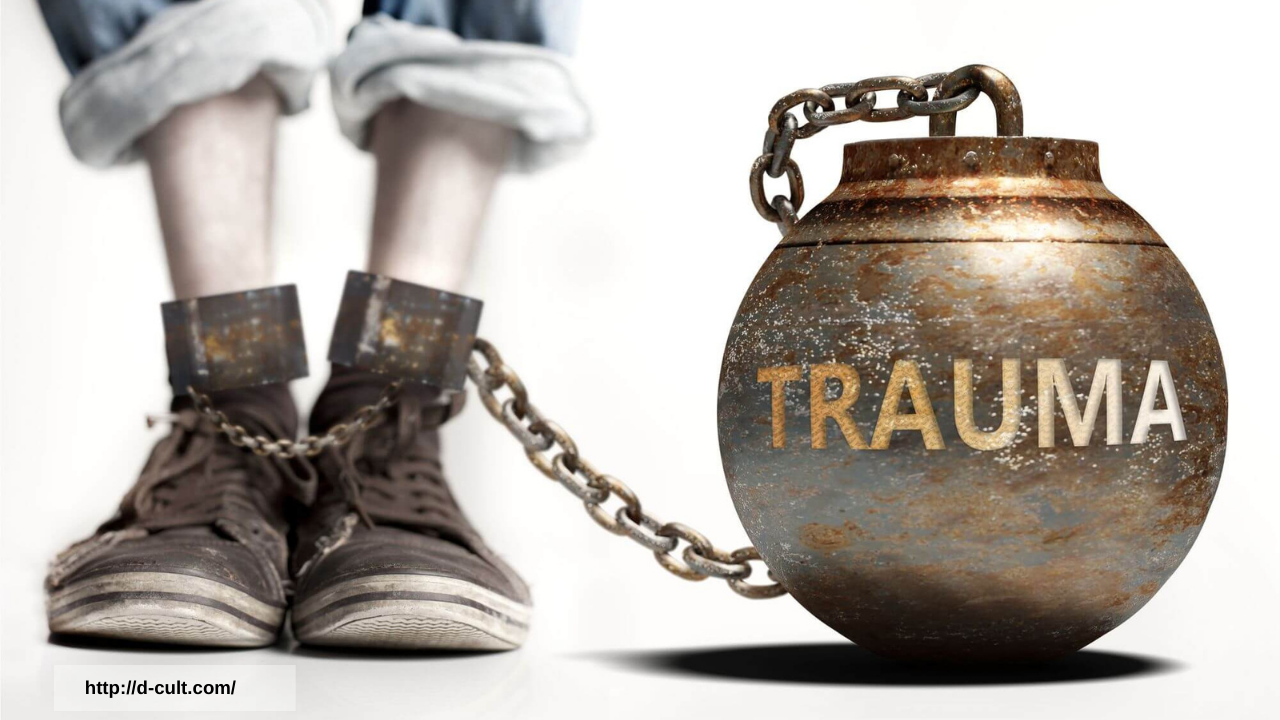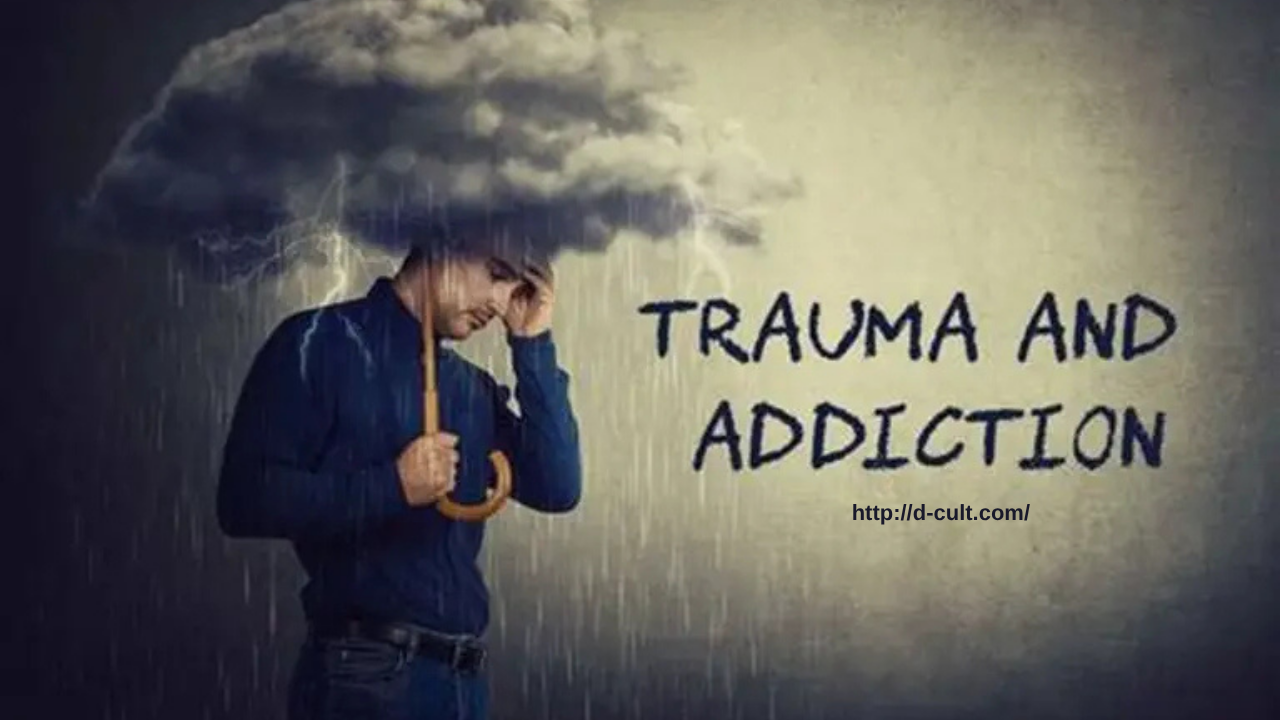
Behind the Addiction: Understanding Trauma’s Role in Substance Abuse

Addiction is rarely just about the substance. For many individuals, it is the result of deeper emotional and psychological pain rooted in trauma. Unresolved trauma can lead people to turn to drugs or alcohol as a way to cope, numb, or escape from intense feelings. Understanding trauma’s role in substance abuse is essential for effective recovery, as addressing only the addiction without the underlying pain often leads to relapse and continued suffering.

What Trauma Is and How It Affects the Mind

Trauma can stem from a wide range of experiences. Childhood abuse, neglect, domestic violence, accidents, or the loss of a loved one can leave lasting emotional scars. These experiences often disrupt a person’s ability to regulate emotions, manage stress, and form healthy relationships. Trauma can also interfere with the brain’s reward and stress systems, making it more difficult to experience pleasure naturally and increasing susceptibility to addiction.

Survivors of trauma may experience anxiety, depression, flashbacks, or emotional numbness. Without healthy coping mechanisms, the intensity of these feelings can drive individuals toward substances that offer temporary relief.

The Connection Between Trauma and Substance Use

Many people who have experienced trauma use drugs or alcohol to self-medicate. Substances can temporarily reduce anxiety, suppress intrusive thoughts, or help with sleep. While this relief is short-lived, it reinforces the idea that the substance is necessary to cope with life’s challenges. Over time, this reliance can develop into dependency or addiction.

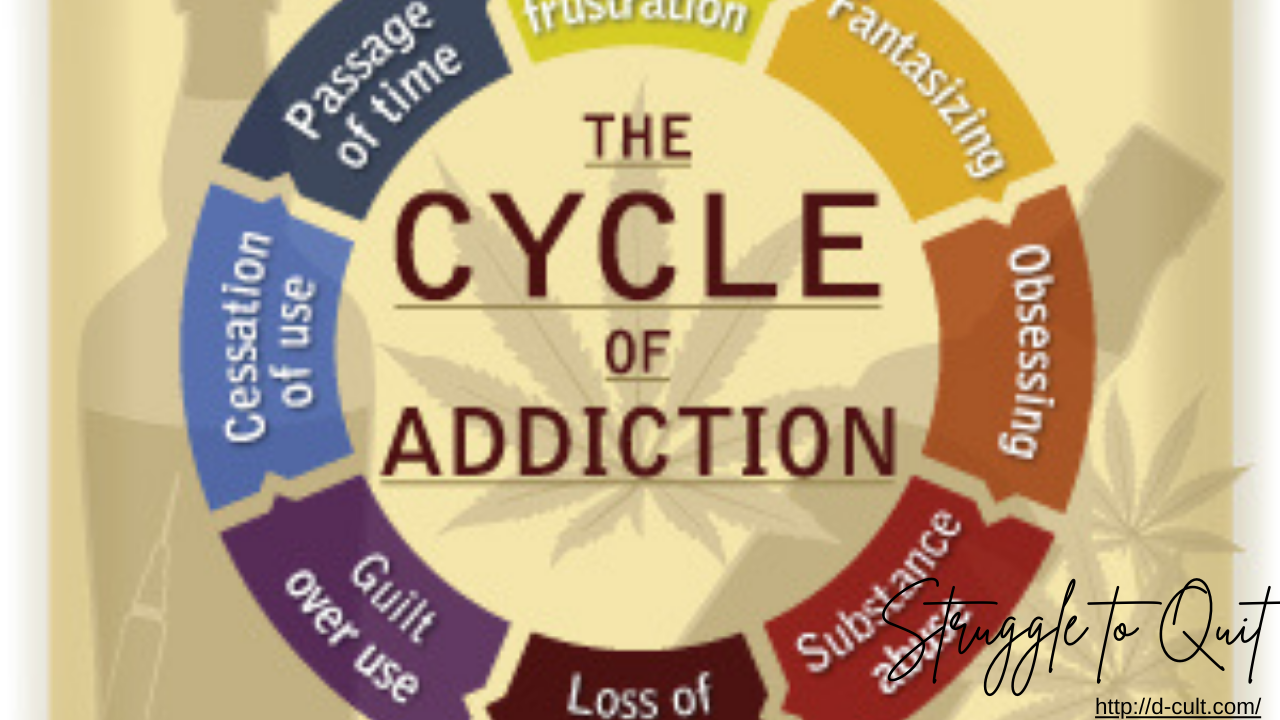
The cycle is self-perpetuating. The substance may provide temporary comfort, but it also creates new stressors such as health problems, strained relationships, or financial struggles. These new challenges can increase feelings of shame or hopelessness, driving further substance use.

Why Addressing Trauma Matters in Recovery

Treatment that focuses solely on stopping substance use often overlooks the root causes of addiction. Trauma-informed care recognizes the link between past experiences and current behavior. By addressing both trauma and substance use together, individuals can break free from the cycle and develop healthier coping strategies.

Holistic and Individualized Approaches to Healing

At D-Cult, we understand that every person’s journey is unique. Our programs integrate mental health treatment, addiction recovery, and holistic practices to create a supportive, individualized approach.

Key Components of Trauma-Informed Recovery

  • Inpatient and outpatient programs tailored to each person’s needs and stage of recovery
  • Cognitive Behavioral Therapy (CBT) and trauma-focused therapy to process emotional pain and develop coping skills
  • Faith-based counseling to provide spiritual support and guidance
  • Holistic therapies such as mindfulness, art therapy, and wellness activities to promote balance and resilience

This comprehensive approach allows clients to address both the emotional and physical aspects of addiction, creating a foundation for long-term recovery.

Moving Forward with Compassion and Support

Recovery from trauma-related substance abuse is a journey that requires patience, understanding, and professional support. Healing involves learning to manage emotions without relying on substances, developing new coping strategies, and building a supportive community.

Conclusion

Trauma is often the hidden force behind addiction. Recognizing this connection allows for a more compassionate, effective approach to recovery. At D-Cult, we provide individualized, holistic, and faith-based programs that treat both trauma and substance use, helping clients rebuild their lives with purpose and hope. If you or a loved one are struggling, reaching out today is the first step toward healing and lasting freedom. Recovery is possible, and support is available every step of the way.
Breaking the Cycle: Healing Trauma to Overcome Addiction

Addiction does not occur in isolation. For many individuals, substance use is closely tied to unresolved trauma. Painful memories, emotional distress, and past hardships can drive people to seek relief in drugs or alcohol. While these substances may provide temporary escape, they often reinforce the cycle of trauma and addiction, creating long-term challenges that affect health, relationships, and overall well-being. Understanding the link between trauma and substance use is essential to breaking this cycle and achieving lasting recovery.

Understanding Trauma and Its Role in Addiction

Trauma can result from a variety of experiences including childhood abuse, neglect, domestic violence, serious accidents, or the loss of a loved one. The effects of trauma extend beyond emotional pain. Survivors may experience anxiety, depression, flashbacks, and difficulty managing stress. These experiences can disrupt the brain’s stress response, leaving individuals more vulnerable to seeking relief through substances.

Substance use often begins as a form of self-medication. Alcohol, opioids, or other drugs may temporarily numb emotional distress, quiet intrusive thoughts, or provide a false sense of control. However, this coping mechanism is temporary and can quickly evolve into dependency. Over time, the brain begins to rely on substances to function, making recovery without professional support exceedingly difficult.

The Vicious Cycle of Trauma and Addiction

The connection between trauma and addiction creates a cycle that can feel impossible to break. Trauma drives substance use, while addiction introduces new stressors such as relationship conflict, financial struggles, and health problems. Each relapse or continued use reinforces feelings of shame, guilt, and hopelessness. Without addressing the root trauma, individuals are more likely to experience repeated cycles of addiction, relapse, and emotional distress.

Healing Trauma Through Integrated Recovery

Breaking free from this cycle requires a trauma-informed approach that treats both the emotional wounds and the addiction. At D-Cult, recovery programs integrate personalized care with evidence-based therapies to address each individual’s unique needs. Understanding that no two journeys are the same, our approach combines mental health treatment, addiction recovery, and holistic practices to foster long-term healing.

Comprehensive Treatment Approaches

  • Inpatient and outpatient programs designed for individualized recovery paths
  • Cognitive Behavioral Therapy (CBT) and trauma-focused therapy to address underlying emotional pain
  • Faith-based counseling offering spiritual guidance and support
  • Holistic therapies including mindfulness, physical wellness, and creative outlets to promote balance

These strategies empower clients to process trauma in a safe environment while developing healthy coping mechanisms. By addressing the root causes of addiction, clients can regain control over their lives and build resilience against future challenges.

Moving Forward with Hope

Recovery from trauma-related addiction is not linear. It requires patience, support, and a commitment to healing on multiple levels. However, breaking the cycle is possible with the right resources and compassionate care. By treating both trauma and substance use, individuals can move from a place of despair to one of empowerment, self-awareness, and long-term sobriety.

Conclusion

Healing trauma is the key to overcoming addiction and reclaiming a life of stability and purpose. At D-Cult, we offer individualized, holistic, and faith-based programs designed to address both the emotional and physical aspects of recovery. If you or a loved one are struggling with addiction rooted in trauma, reaching out today can be the first step toward lasting healing and freedom. You do not have to face this journey alone, and support is available to help you break the cycle for good.

Self-Medication or Self-Destruction? How Trauma Fuels Drug and Alcohol Use

For many people living with unresolved trauma, the emotional weight can feel unbearable. Painful memories, flashbacks, and ongoing anxiety often drive individuals to seek relief in any way possible. Drugs and alcohol can seem like an easy escape, offering temporary calm or numbness. Yet what starts as self-medication often leads to self-destruction, creating a cycle of addiction that damages health, relationships, and self-worth. Understanding how trauma fuels substance abuse is the first step toward breaking free and finding lasting healing.

Understanding Trauma and Its Lasting Impact

Trauma comes in many forms. It may arise from childhood abuse, neglect, domestic violence, accidents, loss of a loved one, or other overwhelming experiences. While the event may have passed, the effects can linger for years. Trauma can leave people feeling unsafe, disconnected, or trapped in a constant state of fear. These emotional wounds often interfere with daily functioning and increase vulnerability to mental health struggles such as depression, anxiety, or post-traumatic stress disorder.

When trauma is left unaddressed, it can distort how the brain processes stress and emotions. Everyday challenges may feel overwhelming, leading individuals to search for quick ways to cope. This is where substance use often enters the picture.

Why Trauma Survivors Turn to Substances

Numbing the Pain

Alcohol, opioids, or other substances may dull emotional distress or silence intrusive thoughts. For someone haunted by trauma, this numbing effect can feel like a form of relief.

Escaping Reality

Drugs and alcohol can create a temporary sense of detachment from painful memories. Survivors may use substances to disconnect from emotions they cannot yet face.

Regaining Control

Some substances provide a false sense of calm, confidence, or control. While appealing in the moment, this effect often masks deeper issues and makes recovery more difficult.

Unfortunately, what begins as a coping mechanism quickly becomes a dangerous cycle. The brain starts to rely on substances to manage emotions, reinforcing dependency and increasing the risk of addiction.

Breaking the Cycle: Trauma-Informed Recovery

Addressing addiction without treating the trauma behind it is rarely effective. True healing requires a trauma-informed approach that acknowledges the root causes of substance abuse and offers healthier ways to cope. At D-Cult, recovery is built on compassion, personalization, and holistic healing that nurtures both body and mind.

Our Approach to Healing

  • Individualized inpatient and outpatient programs tailored to each person’s unique needs
  • Mental health treatment that addresses trauma, anxiety, and depression alongside addiction
  • Faith-based support for those seeking spiritual strength and guidance
  • Holistic care such as mindfulness, art therapy, and wellness practices that promote balance and resilience

By treating both trauma and substance use, individuals gain the tools to process their pain, rebuild confidence, and create a healthier path forward.

Hope Beyond Self-Destruction

While trauma can increase the risk of substance abuse, it does not define the rest of a person’s life. Recovery is possible with the right support and a comprehensive approach that honors both the past and the future. Choosing healing over self-destruction means learning new ways to cope, finding strength in community, and rediscovering hope.

Conclusion

Self-medicating with drugs or alcohol may feel like a solution in the moment, but it often deepens the wounds of trauma and fuels addiction. The journey to recovery begins with recognizing this cycle and seeking help that addresses both trauma and substance use together. At D-Cult, we believe every individual deserves compassionate care and the chance to rebuild their life with strength and dignity. If you or someone you love is struggling, reach out today. Healing begins with one courageous step.

Wounded Minds: The Hidden Connection Between Trauma and Substance Abuse

Trauma is a silent force that can shape the course of a person’s life, often leaving deep emotional scars that affect mental health, relationships, and overall well-being. For many individuals, unresolved trauma becomes a driving factor behind substance abuse. Drugs and alcohol may offer temporary relief from the pain, but over time, they can create dependency, disrupt mental health, and make healing feel out of reach. Understanding the hidden connection between trauma and addiction is essential for effective recovery.

Understanding Trauma and Its Effects

Trauma can stem from a wide range of experiences, including childhood abuse, neglect, domestic violence, accidents, loss, or other distressing life events. These experiences can leave individuals with lasting emotional and psychological wounds. Survivors may struggle with anxiety, depression, emotional numbness, flashbacks, or a pervasive sense of fear. Without adequate support or coping strategies, the pain of trauma can feel overwhelming.

When trauma remains unaddressed, the brain’s stress response becomes overactive. Daily stressors can trigger intense emotional reactions, making it difficult for individuals to function or feel safe. This heightened sensitivity often leads people to seek relief in ways that provide immediate comfort.

The Link Between Trauma and Substance Abuse

Substance abuse often begins as a way to self-medicate. Drugs or alcohol may temporarily numb the emotional pain, reduce anxiety, or help individuals sleep. What starts as a coping mechanism can quickly evolve into dependency. The brain begins to associate substance use with relief, creating powerful cravings and reinforcing a cycle of addiction.

Research indicates that individuals who have experienced significant trauma are at a higher risk of developing substance use disorders. This connection is rooted in both psychological and physiological factors. Trauma alters brain chemistry, impacting reward pathways and emotional regulation. As a result, substances can feel more necessary and more rewarding for trauma survivors than for individuals without such experiences.

Breaking the Cycle: Trauma-Informed Recovery

Effective recovery must address both the addiction and the underlying trauma. Programs that focus solely on stopping substance use often fail to prevent relapse if the emotional wounds remain untreated. At D-Cult, our approach integrates trauma-informed care with personalized addiction treatment to help clients achieve lasting healing.

Holistic and Individualized Approaches

  • Inpatient and outpatient programs designed to meet unique needs and lifestyles
  • Cognitive Behavioral Therapy (CBT) and trauma-focused therapy to process emotional pain
  • Faith-based counseling that promotes spiritual growth and resilience
  • Holistic therapies including mindfulness, art therapy, and physical wellness programs

These treatments create a safe and supportive environment where clients can confront their trauma, build healthy coping mechanisms, and reconnect with a sense of purpose and hope.

Moving Toward Healing

Healing from trauma-related substance abuse is not linear, but it is possible. Recovery involves learning to manage emotions without relying on substances and developing strategies to handle stress, triggers, and cravings. It also involves building a strong support network of professionals, peers, and family members who understand the journey.

Conclusion

The connection between trauma and substance abuse is powerful but not insurmountable. Understanding this relationship allows individuals to approach recovery with empathy, insight, and the right tools. At D-Cult, we provide compassionate, comprehensive, and individualized care that addresses both addiction and the underlying trauma. If you or a loved one are struggling, reaching out today is the first step toward lasting healing, freedom, and a renewed sense of life.

From Trauma to Dependency: Why Some Use Drugs to Cope

Trauma changes the way people see the world, themselves, and their future. For many, the pain is not just emotional but deeply physical, affecting brain chemistry, stress responses, and decision-making. When that pain feels overwhelming, some turn to drugs or alcohol as a way to numb the hurt. At first, it may seem like relief, but over time, that temporary escape can become a life-altering dependency.

Understanding Trauma and Its Impact

Trauma is not limited to extreme events. It can stem from childhood neglect, abuse, violence, loss, or ongoing emotional harm. The effects can last for years, influencing how a person thinks, feels, and reacts. Survivors of trauma may experience anxiety, depression, flashbacks, or emotional numbness. Without healthy ways to cope, daily life can feel like a constant battle.

The Connection Between Trauma and Substance Use

When someone feels trapped in painful memories or overwhelming emotions, substances may seem like an answer. Drugs and alcohol can temporarily dull emotional distress, reduce anxiety, or help with sleep. This coping strategy is known as self-medication. Unfortunately, while it can bring short-term relief, it often worsens mental health symptoms in the long run.

Research shows a clear link between trauma and substance abuse. People who have experienced significant trauma are far more likely to develop addiction. This is partly due to the brain’s stress response system, which can become overactive after trauma, making substances feel more rewarding and necessary to function.

How Dependency Develops

Dependency rarely happens overnight. It begins with occasional use for relief. Over time, the brain becomes accustomed to the substance and craves it to feel “normal.” Emotional pain and withdrawal symptoms reinforce the cycle. What started as an escape from the past becomes a daily necessity that is difficult to break without help.

Breaking the Trauma–Addiction Cycle

Healing requires more than just stopping drug or alcohol use. Effective recovery addresses both the addiction and the underlying trauma. At D-Cult, we understand that every person’s story is unique. Our holistic, faith-based programs combine evidence-based therapies with spiritual and emotional support. This approach helps clients process their past, rebuild trust, and develop healthy coping tools.

Integrated Treatment Approaches

  • Trauma-informed therapy to create a safe, supportive environment for healing
  • Cognitive Behavioral Therapy (CBT) to reshape thought patterns
  • Faith-based counseling for spiritual renewal and hope
  • Holistic therapies such as mindfulness, art therapy, and physical wellness programs
  • Inpatient and outpatient care tailored to individual needs

A Path Toward Lasting Recovery

Addiction rooted in trauma is not a sign of weakness. It is a human response to deep pain. With the right guidance, support, and treatment, it is possible to heal both the trauma and the dependency. Recovery is not just about avoiding substances but about reclaiming a life filled with purpose, connection, and hope.

If you or someone you love is struggling with addiction linked to trauma, you do not have to face it alone. Contact D-Cult today to begin your journey toward healing and lasting freedom.

Escaping the Past: The Link Between Trauma and Addiction

For many people battling addiction, the road to substance abuse began long before their first drink, pill, or hit. Beneath the surface of drug and alcohol use often lies something much deeper: unresolved trauma. Whether caused by childhood abuse, violence, neglect, loss, or other painful experiences, trauma can leave lasting psychological scars. In many cases, addiction becomes an attempt to escape the distress of the past.

Trauma’s Lingering Effects

Trauma is more than just a bad memory. It alters the way a person thinks, feels, and reacts to the world around them. People who have experienced trauma may struggle with anxiety, depression, emotional numbness, nightmares, flashbacks, or a constant sense of danger. Over time, this state of chronic emotional pain can feel unbearable.

When trauma is left untreated, the brain remains in a heightened state of stress. Everyday situations can trigger intense fear or sadness, even when there’s no real threat. This ongoing suffering often drives people to seek relief by any means possible—and drugs or alcohol may seem like the only escape.

Using Substances to Cope

Many trauma survivors don’t initially set out to become addicted. They may use substances to sleep better, calm their nerves, or momentarily forget painful memories. This is known as self-medication—an attempt to manage emotional or psychological symptoms without medical support.

In the short term, alcohol or drugs can dull the pain and provide a temporary sense of control or comfort. However, the relief is fleeting. As the effects wear off, the emotional pain often returns stronger than before, leading to increased use. Eventually, the person may become dependent—not just physically, but emotionally.

Addiction and Trauma: A Vicious Cycle

The link between trauma and addiction is more than coincidence. Studies show that people who have experienced trauma—especially in childhood—are significantly more likely to develop substance use disorders. Traumatic experiences can affect brain development, disrupt emotional regulation, and impair decision-making, all of which contribute to the risk of addiction.

Unfortunately, addiction often brings new traumas—such as accidents, abuse, or legal trouble—creating a painful cycle that’s hard to break. Without addressing the root cause of the addiction—the trauma itself—true recovery is difficult to achieve.

Breaking Free Through Healing

Healing from both trauma and addiction requires a compassionate, integrated approach. Trauma-informed treatment focuses on creating a safe, supportive environment where individuals can begin to rebuild trust and explore the pain they’ve been carrying.

Therapies such as EMDR (Eye Movement Desensitization and Reprocessing), Cognitive Behavioral Therapy (CBT), and group therapy are effective tools for helping trauma survivors process their experiences and develop healthier coping strategies. When combined with addiction treatment—such as detox, counseling, and support groups—these approaches offer real hope for recovery.

Conclusion

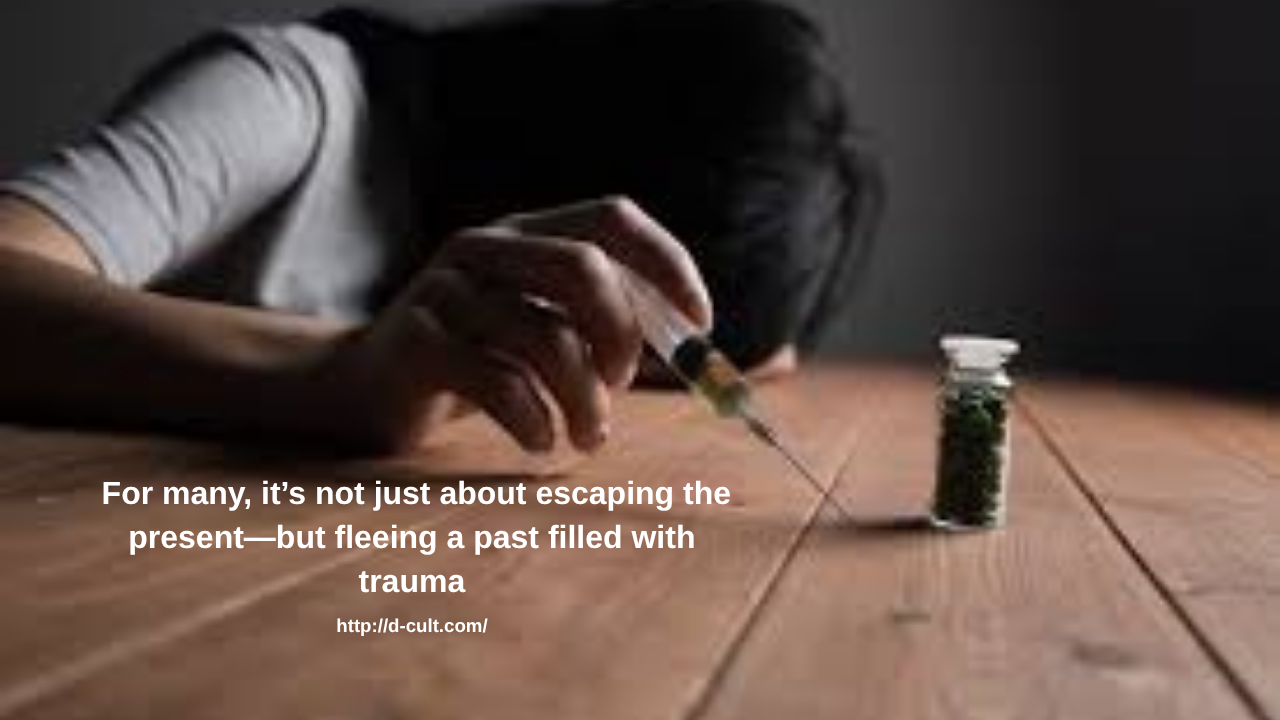
Addiction is often rooted in pain that hasn’t been fully understood or healed. For many, it’s not just about escaping the present—but fleeing a past filled with trauma. By acknowledging the deep connection between trauma and addiction, we open the door to more effective, compassionate treatment—and help people find freedom not just from substances, but from the pain that led them there.

Numbing the Pain: How Trauma Leads to Substance Abuse

Trauma leaves invisible wounds that can affect a person’s emotional health, relationships, and overall sense of safety in the world. For many individuals, the pain of trauma is so intense and persistent that it becomes unbearable to face alone. In an attempt to cope, some turn to drugs or alcohol, not to seek pleasure but to numb the emotional suffering. Unfortunately, this often leads to substance abuse and, eventually, addiction.

Understanding Trauma

Trauma occurs when a person experiences events that overwhelm their ability to cope. These events might include physical or sexual abuse, domestic violence, childhood neglect, serious accidents, or witnessing violence. For some, trauma stems from a single life-altering event; for others, it comes from years of ongoing emotional pain and hardship.

The effects of trauma can be long-lasting and severe. Many people experience post-traumatic stress disorder (PTSD), anxiety, depression, or emotional numbness. They may suffer from nightmares, flashbacks, mood swings, and difficulty trusting others. Without proper treatment or support, these symptoms can feel inescapable, making day-to-day life extremely difficult.

Turning to Substances for Relief

When someone is living with unresolved trauma, the brain and body remain in a heightened state of stress. Drugs and alcohol can seem like a quick and easy way to escape this discomfort. Substances may temporarily ease symptoms like anxiety, insomnia, and emotional pain. This is known as self-medication—using substances to dull the effects of trauma without addressing the root cause.

For example, a trauma survivor might drink alcohol to quiet racing thoughts or use opioids to suppress overwhelming sadness. Stimulants like cocaine or meth may help someone temporarily feel confident or energized if they are otherwise emotionally numb or depressed. In the short term, substances can seem like a solution, but over time, they create new problems.

The Vicious Cycle of Trauma and Addiction

Substance abuse does not heal trauma—it often makes it worse. Drugs and alcohol can interfere with brain function, deepen depression, increase anxiety, and create social, financial, or legal problems. Many trauma survivors who use substances experience guilt, shame, and isolation, which can further fuel their addiction.

This creates a dangerous cycle: trauma leads to substance use, which leads to more trauma and distress, driving the person deeper into addiction. Without intervention, the individual becomes trapped in this cycle, making it increasingly difficult to break free.

Healing Trauma, Breaking Addiction

Recovery from trauma-related substance abuse requires treating both the addiction and the underlying trauma. Traditional addiction treatment alone is often not enough. Trauma-informed care is essential—it provides a safe, supportive environment where individuals can process their past without fear of judgment.

Therapies like Cognitive Behavioral Therapy (CBT), Eye Movement Desensitization and Reprocessing (EMDR), and support groups can help trauma survivors develop healthier coping mechanisms and begin the healing process. By addressing both the emotional wounds and the substance abuse, individuals have a greater chance of achieving lasting recovery.

Conclusion

Many people don’t use drugs or alcohol to get high—they do it to survive their emotional pain. Understanding the link between trauma and substance abuse is key to providing compassionate care and meaningful recovery. Healing begins when we treat not just the addiction, but the trauma that often fuels it.

Breaking the Chains: Why People Struggle to Quit and How They Can Recover

Addiction is a powerful and deeply rooted condition that affects the brain, body, and spirit. For many individuals struggling with substance abuse, quitting is not simply a matter of willpower. Despite their desire to stop, they often find themselves trapped in a cycle of use, regret, and relapse. Understanding why people struggle to quit—and more importantly, how they can recover—is essential to supporting lasting healing.

Why Quitting Is So Hard

1. Physical Dependence

Substances like alcohol, opioids, and stimulants can create physical dependence, meaning the body becomes used to functioning with the drug in its system. When someone tries to quit, they experience withdrawal symptoms that can range from discomfort to life-threatening—such as nausea, sweating, shaking, seizures, or severe anxiety. These symptoms often drive people back to using just to feel “normal” again.

2. Brain Chemistry and Cravings

Addiction alters the brain’s reward system. Drugs flood the brain with dopamine, creating intense feelings of pleasure. Over time, the brain reduces its natural dopamine production, making it difficult to feel joy without the substance. This results in powerful cravings, where the brain urges the person to use, even when they consciously want to stop.

3. Emotional Triggers and Trauma

Many people use substances to cope with emotional pain, trauma, stress, or mental health issues like depression and anxiety. When these underlying issues are left untreated, quitting becomes even more difficult. The substance isn’t just a habit—it’s a way to self-soothe or numb deep emotional wounds.

4. Social and Environmental Influences

Recovery is even more challenging when surrounded by people, places, or situations that encourage substance use. Peer pressure, unsupportive relationships, or high-stress environments can all contribute to relapse. Without a strong support system, the pull to return to old habits can feel impossible to resist.

The Path to Recovery

1. Professional Treatment and Support

Quitting often requires more than self-discipline—it requires help. Detox programs, inpatient or outpatient rehab, and medication-assisted treatment (MAT) can safely guide individuals through withdrawal and begin the recovery process. Therapy, particularly cognitive-behavioral therapy (CBT) and trauma-informed care, helps address the emotional and psychological roots of addiction.

2. Building a Support System

Support is essential. Whether it’s from family, friends, counselors, or support groups like Alcoholics Anonymous (AA) or Narcotics Anonymous (NA), having people who understand the journey makes a big difference. These connections reduce isolation and remind individuals they are not alone.

3. Developing Healthy Coping Strategies

Recovery involves replacing old habits with new, healthier ones. Exercise, mindfulness, journaling, hobbies, and routine help individuals cope with stress and emotions without turning to substances. Over time, these new strategies strengthen emotional resilience and improve quality of life.

4. Staying Committed to the Journey

Recovery isn’t a straight line—it’s a process filled with ups and downs. Relapse doesn’t mean failure; it’s often part of the journey. What matters is the commitment to keep going, to learn from setbacks, and to seek help when needed.

Conclusion

Quitting an addiction is one of the hardest things a person can do—but it’s also one of the most courageous. By understanding the real challenges behind addiction and embracing a holistic approach to recovery, individuals can break free from the chains and reclaim their lives with strength, hope, and healing.

The Hidden Factors of Substance Abuse: Genetics, Environment, and Stress

Substance abuse is often misunderstood as a simple issue of willpower or poor choices. In reality, addiction is a complex condition influenced by a web of hidden factors that shape a person’s vulnerability long before they ever take their first drink or drug. Genetics, environment, and stress all play a significant role in the development of substance use disorders. Understanding these underlying influences helps remove stigma and promotes more compassionate, effective solutions.

Genetics: The Inherited Risk

Addiction often runs in families—not just because of shared environment, but because of shared DNA. Research shows that genetics can account for 40% to 60% of a person’s risk of developing a substance use disorder. Some individuals inherit a heightened sensitivity to the rewarding effects of drugs and alcohol, or a reduced ability to control impulses or manage stress.

For example, a person may inherit a variation in brain chemistry that causes them to experience more intense pleasure from a substance or weaker natural rewards from everyday life. This can make drug use more appealing and more likely to become compulsive.

However, having a genetic predisposition doesn’t guarantee addiction. It simply means the person may be more vulnerable if other risk factors are also present.

Environment: Early Life and Social Influences

The environment a person grows up in has a profound impact on their mental and emotional development. Exposure to trauma, neglect, abuse, parental substance use, or community violence can increase the risk of turning to substances as a coping mechanism. In contrast, growing up in a stable, supportive home with access to education and healthy role models can offer some protection—even for those with a genetic risk.

Peer pressure, social norms, and media portrayals of drug use also shape how individuals view substances. For teenagers and young adults, fitting in with friends can be a powerful motivator. If drug or alcohol use is normalized within their social circle or family, it becomes easier to experiment and harder to resist.

Environmental factors can also include access. In neighborhoods where drugs are easily available, and positive alternatives are limited, the likelihood of early and frequent use increases.

Stress: The Silent Trigger

Stress is one of the most common and underestimated drivers of substance abuse. Whether it stems from financial hardship, work pressure, relationship problems, or unresolved trauma, stress can lead people to seek relief through drugs or alcohol. Chronic stress disrupts the brain’s natural balance, impairing decision-making and increasing impulsivity.

Over time, individuals may come to rely on substances not just for escape, but as a way to feel “normal.” The more often this cycle repeats, the more deeply ingrained the habit becomes, eventually leading to dependency.

Addressing the Full Picture

Understanding that addiction is fueled by a combination of genetic, environmental, and psychological factors changes how we approach prevention and treatment. It’s not just about telling people to say no—it’s about offering support, building resilience, and treating underlying issues with empathy and science-based care.

Addiction is not a personal failure. It’s a condition with deep roots, often hidden beneath the surface. By addressing those roots, recovery becomes not only possible—but sustainable.

Chasing the High: Understanding the Cycle of Addiction and Relapse

Addiction is a complex, chronic condition that affects the brain, behavior, and overall well-being of an individual. One of the most challenging aspects of addiction is the recurring cycle of substance use, temporary abstinence, and relapse. Many people struggling with addiction find themselves “chasing the high”—seeking the intense euphoria that comes with drug or alcohol use, even after experiencing serious consequences. Understanding this cycle is key to supporting recovery and preventing relapse.

The First High and the Hook

Addiction often begins with experimentation or recreational use. The first time someone uses a substance, especially powerful drugs like opioids, meth, or cocaine, they may experience a surge of pleasure due to a massive release of dopamine in the brain. This feeling of euphoria creates a powerful memory that the brain registers as something worth repeating.

Over time, the brain adapts to the presence of the substance, producing less dopamine naturally. This means the person needs more of the substance to achieve the same high—a phenomenon known as tolerance. Eventually, using becomes less about feeling good and more about avoiding the painful symptoms of withdrawal.

Dependency and the Need to Escape

As substance use becomes more frequent, physical and psychological dependence set in. The brain and body begin to rely on the substance to function normally. At this stage, addiction is no longer a choice; it becomes a compulsive behavior driven by cravings, emotional distress, and a need to escape reality.

Many people use substances to cope with trauma, anxiety, depression, or overwhelming stress. Unfortunately, the relief is only temporary, and the problems they are trying to escape often worsen with continued use.

The Illusion of Control and the Struggle to Quit

Even when someone acknowledges they have a problem, breaking free from addiction is incredibly difficult. They may try to quit “cold turkey” or reduce their use, but cravings, withdrawal symptoms, and emotional triggers can quickly lead them back to the substance.

This creates a cycle of quitting and relapsing. After a period of sobriety, the individual may start to believe they can control their use or “just have one.” But the brain, still wired for addiction, often reacts by quickly returning to old patterns—sometimes worse than before.

The Role of Triggers and Relapse

Relapse is a common part of the recovery journey and doesn’t mean failure. Many factors can trigger a relapse: stress, exposure to people or environments linked to past use, negative emotions, or even positive events that the person associates with celebrating using drugs or alcohol.

Understanding these triggers and developing strategies to manage them is essential for long-term recovery. Counseling, therapy, support groups, and medication-assisted treatment can all help individuals regain control and reduce the risk of relapse.

Hope and Healing

Though addiction is a powerful force, recovery is possible. By understanding the biological and psychological aspects of addiction, we can move away from judgment and toward compassion. Recovery is not a straight path—it involves setbacks and learning experiences. With the right support, individuals can break free from the cycle of chasing the high and build a life rooted in stability, healing, and hope.